
 Business Reporter

Zimbabwe has solidified its position as a regional leader in public financial management, scoring 62 out of 100 in the latest Open Budget Survey.
The ranking places the country third in Sub-Saharan Africa and second within the Southern African Development Community (SADC), surpassing the regional average score of 38 as well as the international benchmark for public access to fiscal data.
The announcement comes as Minister of Finance, Economic Development, and Investment Promotion, Professor Mthuli Ncube, is expected to present the Mid-Term Budget and Economic Review in Parliament this week.
The upcoming presentation will offer lawmakers and the public an updated picture of national revenue collections, mid-year expenditure outturns, and macroeconomic performance under the current fiscal framework.
The survey results, compiled by the International Budget Partnership (IBP), evaluate how governments publish key budget documents, create channels for citizens to participate in financial policy decisions, and empower formal oversight bodies like parliament and audit institutions.
Out of all participating African nations, only South Africa, Benin, and Zimbabwe satisfied the global threshold established for open public budgeting.
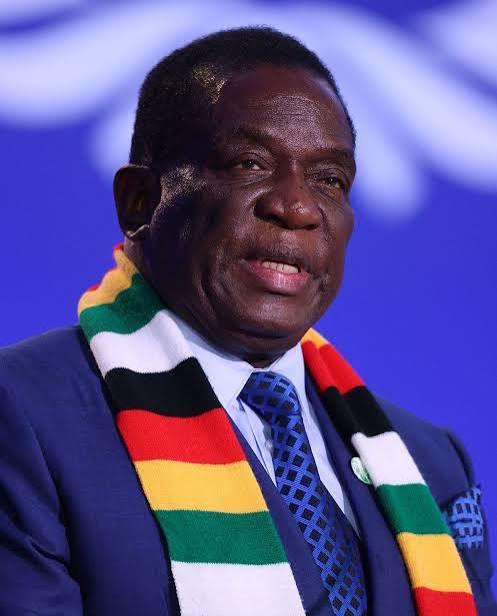
Celebrating the outcome, Prof. Ncube emphasized that the ranking reflects sustained institutional efforts to open state financial records to public scrutiny.
He noted that this marks the second consecutive cycle in which Zimbabwe has secured a place among the top three performing nations on the continent.
“We’ve just received an accolade in terms of our performance, how we prepare for our budgets, how we deploy our budgets, and how we strive to be transparent in the way we spend our resources,” Prof. Ncube said. “And again, for the second time since we started participating in this survey, we ranked number three on the entire African continent. South Africa was number one, Benin was number two, Zimbabwe number three.”
Prof. Ncube highlighted the exclusive nature of the achievement, pointing out that meeting the global target puts Zimbabwe in rare company across the continent.
“South Africa, Benin, and Zimbabwe are the only countries in the entire African continent which met the threshold global standard for proper budget,” the Minister stated, reinforcing the government’s commitment to maintaining accountability in how national funds are planned and distributed across socio-economic sectors.
Beyond international recognition, fiscal transparency serves as an essential indicator for economic development, local market stability, and foreign investment.
Clear reporting reduces perception of sovereign risk, demonstrates fiscal discipline, and allows citizens and financial institutions to monitor public resource allocations.
Treasury officials reiterated that the performance will serve as a launchpad for broader reforms rather than an end point.
Ahead of this week’s mid-term review, the ministry confirmed plans to widen public participation mechanisms throughout the budget cycle and expand citizen-friendly versions of major financial reports.
Civil society organizations and market analysts will be watching this week’s mid-term presentation closely, particularly regarding revenue execution, inflation tracking, and sector-specific spending targets.
Government authorities maintain that consistent budget disclosure will continue to strengthen domestic financial stability, reinforce institutional trust, and support broader national economic development priorities.